
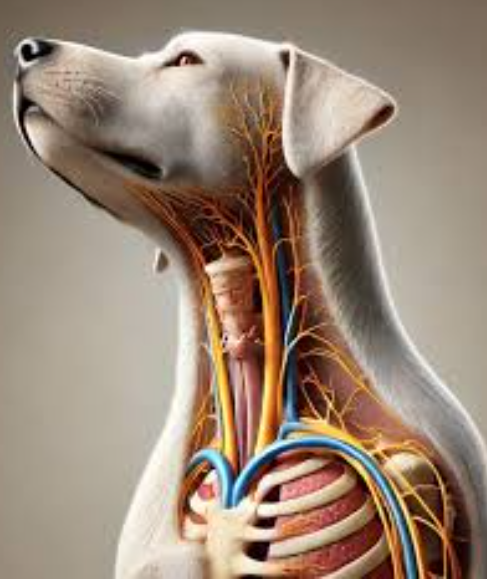
Understanding the “Vagus Nerve Reset” in Dogs
What It Means, What It Doesn’t, and How It Relates to Behaviour
In the world of dog behaviour and training, you may have come across the term “vagus nerve reset.” It’s a phrase gaining popularity online, often linked to calming anxious dogs, reducing reactivity, and improving overall emotional balance.
But what does it actually mean—and more importantly—how does it apply to your dog in real life?
At FurBuddies, we believe in combining science-based understanding with practical, compassionate training. Let’s break this concept down in a way that truly helps you and your dog.
What Is the Vagus Nerve?
The vagus nerve is one of the most important nerves in the body. It runs from the brain down through the chest and into the abdomen, connecting to vital organs like the heart, lungs, and digestive system.
It plays a major role in the parasympathetic nervous system—often referred to as the “rest and digest” system.
In simple terms, the vagus nerve helps your dog:
- Calm down after stress
- Regulate heart rate and breathing
- Recover from fear or excitement
- Feel safe and relaxed
What Is a “Vagus Nerve Reset”?
The term “reset” isn’t a strict scientific term, but rather a popular way of describing helping the nervous system return to a calm, regulated state after stress or overstimulation.
For dogs, this doesn’t involve any quick fix or physical “switch.” Instead, it’s about supporting natural regulation through safe, positive experiences.
Signs Your Dog May Struggle to Self-Regulate
Some dogs have difficulty returning to a calm state once they are triggered. You might notice:
- Excessive barking or reactivity on walks
- Inability to settle after excitement
- Hypervigilance or constant alertness
- Destructive behaviour when stressed
- Difficulty focusing during training
These behaviours are often misunderstood as disobedience—but they are usually linked to an overwhelmed nervous system, not a “naughty” dog.
How to Support Your Dog’s Nervous System
Rather than trying to “reset” your dog instantly, the goal is to build long-term emotional resilience and regulation.
Here are some effective, science-based ways to support this:
1. Calm, Structured Routines
Predictability helps your dog feel safe. Regular feeding times, walks, and rest periods reduce anxiety and improve emotional balance.
2. Sniffing & Enrichment Activities
Sniffing is incredibly calming for dogs. Activities like:
- Snuffle mats
- Scatter feeding
- Scent games
These naturally engage the parasympathetic system and promote relaxation.
3. Gentle, Positive Training
Using positive reinforcement builds confidence and trust, rather than adding stress or fear.
4. Safe Socialisation
Gradual, positive exposure to new environments, people, and dogs helps prevent overwhelm and builds coping skills.
5. Rest & Sleep
Many behavioural issues stem from overtired dogs. Quality rest is essential for nervous system regulation.
6. Calm Handling & Connection
Slow, gentle interaction—such as calm stroking (if your dog enjoys it)—can help lower stress levels and build security.
What to Avoid
Be cautious of trends that promise instant “resets” or quick fixes. Avoid:
- Forcing your dog into stressful situations
- Using punishment-based methods
- Overstimulating environments without proper support
These can actually increase stress and dysregulation, making behaviour worse over time.
How FurBuddies Can Help
At FurBuddies, we focus on understanding your dog’s emotional state—not just correcting behaviour.
Our services are designed to support both you and your dog through every stage:
🐾 Puppy Training Classes
We lay a strong foundation early, helping puppies develop confidence, calmness, and healthy coping skills.
🐾 Private Behavioural Consultations
For dogs struggling with anxiety, reactivity, or overstimulation, we create personalised plans that support nervous system regulation and long-term behaviour change.
🐾 Ongoing Support
We guide you step-by-step, ensuring you feel confident and your dog feels safe.
Final Thoughts
The idea of a “vagus nerve reset” isn’t about a quick solution—it’s about helping your dog feel safe enough to relax, recover, and thrive.
With the right guidance, patience, and positive training approach, every dog can learn to better regulate their emotions.
If your dog is struggling to settle, cope, or feel calm, you’re not alone—and you don’t have to figure it out on your own.
Ready to Help Your Dog Feel Calm and Balanced?
Get in touch with us to learn more about our puppy training and behavioural support services.