
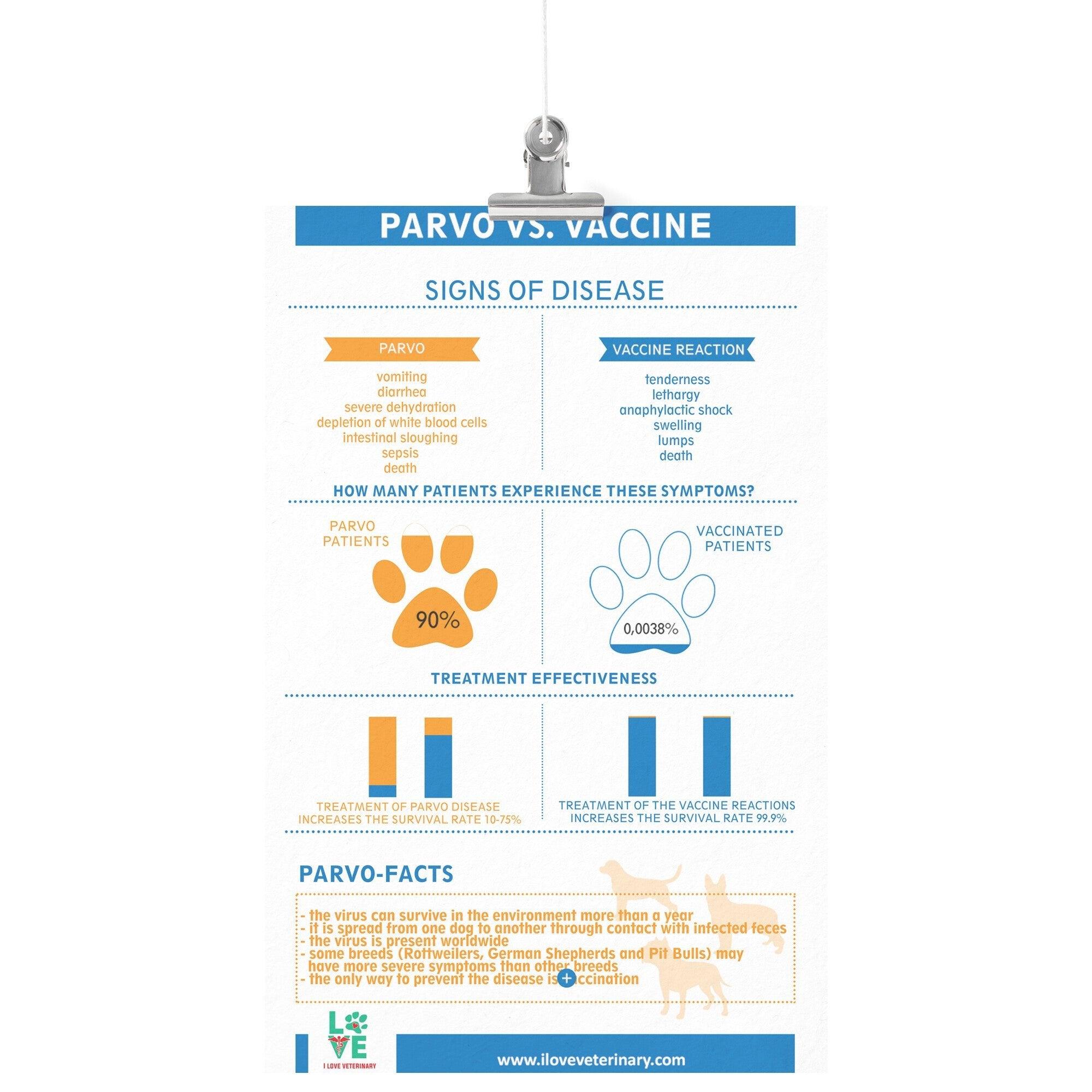
Parvo in Dogs: Why the Parvovirus Vaccine Could Save Your Puppy’s Life
FurBuddies | Live • Love • Bark
www.furbuddies.co.za
It is essential for your puppy to have had his or her 2nd parvo vaccination if you would like to join our FurBuddies Group Puppy Training and Socialisation Classes, for the safety of your own pup, and for the other pups in the class. We require proof of this prior to accepting an enrolment.
Canine parvovirus (commonly called parvo) is one of the most dangerous and highly contagious diseases affecting dogs, especially puppies. At FurBuddies, we regularly speak with new puppy owners who underestimate how serious parvo can be—until it is too late.
The good news? Parvo is largely preventable through proper vaccination and smart early-life care. In this guide, we explain what parvo is, how it spreads, symptoms to watch for, when puppies should be vaccinated, and why following the correct vaccine schedule is essential.
Parvo in dogs is one of the most dangerous puppy diseases in South Africa. In this guide, FurBuddies explains symptoms, treatment, vaccination schedules, and how to protect your puppy.
What Is Parvo in Dogs?
Canine parvovirus is a fast-spreading viral disease that attacks rapidly dividing cells in a dog’s body, particularly in the intestines and bone marrow. This leads to:
- Severe vomiting
- Bloody diarrhoea
- Extreme dehydration
- Weakness and collapse
- Reduced immune function
- Potential death without urgent treatment
Parvo is especially dangerous in puppies between 6 weeks and 6 months old, but unvaccinated adult dogs can also become infected.
How Dogs Catch Parvo
Parvo spreads mainly through infected faeces, contaminated surfaces, and objects such as:
- Grass and pavements
- Shoes and clothing
- Food bowls
- Toys
- Kennels
- Dog parks
- Vet waiting rooms
- Hands after touching infected dogs
The virus is extremely hardy and can survive in the environment for months under the right conditions. This is why unvaccinated puppies are at risk even if they never meet a sick dog directly.
Signs of Parvo in Puppies and Dogs
Contact your vet immediately if your puppy or dog shows:
- Vomiting
- Bloody or foul-smelling diarrhoea
- Loss of appetite
- Fever
- Lethargy
- Rapid dehydration
- Weakness
Parvo is a medical emergency. Fast treatment greatly improves survival chances.
Why the Parvo Vaccine Is So Important
The canine parvovirus vaccine is considered a core vaccine, meaning it is recommended for all dogs regardless of lifestyle or breed. This is because parvo is widespread, severe, and preventable through vaccination.
Vaccination helps:
- Protect your puppy during its most vulnerable months
- Prevent expensive emergency hospitalisation
- Reduce spread in the dog community
- Protect rescue dogs, older dogs, and immunocompromised pets
- Give owners peace of mind
When Should Puppies Get the Parvo Vaccine?
Because maternal antibodies from the mother can interfere with early vaccines, puppies need a series of vaccinations—not just one injection.
Recommended Puppy Parvo Vaccine Schedule
Most current veterinary guidelines recommend:
- First vaccine: 6–8 weeks old
- Booster vaccines: Every 2–4 weeks
- Final puppy vaccine: At 16 weeks or older
- High-risk areas: Some vets may continue to 18–20 weeks
Example Schedule
- 6 weeks
- 9 weeks
- 12 weeks
- 16 weeks
(Your vet may adjust this depending on local risk and vaccine brand.)
When Is My Puppy Fully Protected?
Many owners assume one or two vaccines are enough. Unfortunately, this is not true.
Puppies are generally considered significantly better protected after their final vaccine at 16 weeks or older, plus the time needed for immunity to build afterward. Ask your vet before taking your puppy to public dog areas, beaches, parks, or puppy classes.
Booster Vaccines for Adult Dogs
After the puppy series:
- Booster at 6–12 months after the puppy course
- Then typically every 3 years for parvo, depending on veterinary guidance and product used
Always follow your veterinarian’s schedule.
Should You Walk an Unvaccinated Puppy?
Until your puppy has completed vaccinations, be cautious with:
- Dog parks
- Shared grass areas
- Pavements with heavy dog traffic
- Pet stores
- Beaches with unknown dogs
- Contact with dogs of unknown vaccination status
Instead, focus on safe socialisation:
- Carry outings
- Controlled visits with vaccinated friendly dogs
- Home confidence building
- Training games
- Positive handling exercises
This helps build behaviour and confidence while reducing disease risk.
Can Vaccinated Dogs Still Get Parvo?
Vaccines are highly effective, but no vaccine is 100% guaranteed. Breakthrough infections are uncommon and are more likely when:
- Puppy schedules were incomplete
- Vaccines were given too early without boosters
- Immune response was poor
- Vaccines were stored or handled incorrectly
How Much Does Parvo Treatment Cost?
Treatment can be expensive and may involve:
- Hospitalisation
- IV fluids
- Anti-nausea medication
- Blood tests
- Isolation care
- Intensive nursing
Vaccination is far cheaper—and far kinder—than treatment.
FurBuddies Advice for New Puppy Owners
At FurBuddies, we strongly recommend:
✅ Book your puppy’s first vet visit immediately
✅ Keep vaccinations on schedule
✅ Avoid risky public areas too early
✅ Prioritise safe socialisation and training
✅ Ask your vet when full outdoor freedom is safe
A healthy puppy is easier to train, easier to socialise, and has the best start in life.
Need Help Raising a Puppy the Right Way?
Once your puppy is medically safe, training and socialisation become critical. FurBuddies helps South African dog owners build calm, confident, well-mannered dogs through expert training and behaviour support.
References
- American Animal Hospital Association Canine Vaccination Guidelines AAHA Vaccination Guidelines
- World Small Animal Veterinary Association Vaccination Guidelines WSAVA Vaccination Guidelines
- American Veterinary Medical Association Parvovirus Guide AVMA Canine Parvovirus Info
Frequently asked questions from our clients about the Parvo Virus Vaccination for their dogs and puppies
How do dogs catch parvo?
Dogs catch parvo through infected faeces, contaminated ground, bowls, shoes, and surfaces.
Can vaccinated dogs get parvo?
It is uncommon, but possible. Vaccinated dogs are far better protected.
When can my puppy go outside safely?
Usually after the final vaccination and vet approval.
Is parvo common in South Africa?
Yes, parvo remains a serious risk in many areas.