

The Ultimate Puppy Training Guide: Everything You Need to Know During Your Puppy’s First 16 Weeks
By FurBuddies Professional Puppy Trainers
Bringing home a new puppy is exciting, rewarding, and sometimes overwhelming. One day your puppy is sleeping peacefully on your lap, and the next they’re chewing your furniture, biting your ankles, and having accidents in the house.
The good news? This is completely normal.
The first 16 weeks of your puppy’s life are the most important learning period they will ever experience. During this critical development window, your puppy is learning how to interact with people, other dogs, new environments, sounds, surfaces, and the world around them.
At FurBuddies, we’ve helped hundreds of families raise confident, well-mannered puppies, and we’ve created this complete guide to answer the most common puppy training questions owners ask.



































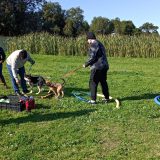




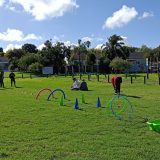

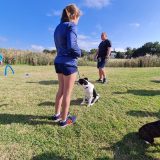


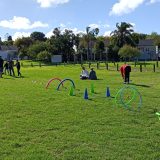




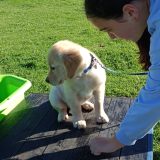

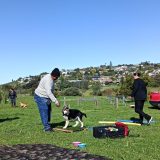

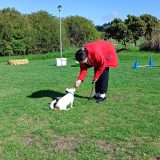

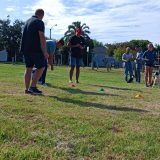
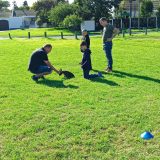


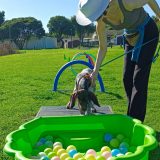




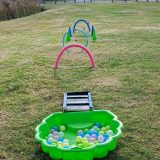




When Should You Start Training a Puppy?
The simple answer is immediately.
Many new owners believe they should wait until their puppy is older before beginning training. In reality, learning starts the moment your puppy comes home.
Even at 8 weeks old, puppies are already forming habits and learning from every experience.
Early training helps your puppy:
- Build confidence
- Learn household rules
- Prevent unwanted behaviours
- Strengthen your bond
- Develop into a well-adjusted adult dog
Short, positive training sessions of 3-5 minutes are ideal for young puppies.
Why the First 16 Weeks Are So Important
Professional trainers often refer to the period between 8 and 16 weeks as the “socialization window.”
During this time, puppies are naturally curious and more accepting of new experiences.
Experiences during this period can have a lifelong impact on behaviour.
A well-socialized puppy is more likely to become:
- Confident around people
- Comfortable around children
- Relaxed in public places
- Friendly with other dogs
- Less fearful of new environments
A lack of proper socialization can contribute to fear, anxiety, and behavioural challenges later in life.
Puppy Socialization Checklist
Before your puppy reaches 16 weeks, safely introduce them to:
People
- Men
- Women
- Children
- Elderly people
- People wearing hats
- People with umbrellas
- People using wheelchairs
Sounds
- Traffic
- Vacuum cleaners
- Thunder recordings
- Doorbells
- Lawn mowers
Environments
- Parks
- Pet-friendly shops
- Veterinary clinics
- Different floor surfaces
- Busy streets
Dogs
- Vaccinated puppies
- Calm adult dogs
- Puppy socialization classes
Remember: socialization is not simply meeting other dogs. It is learning that the world is a safe and enjoyable place.
How to Stop Puppy Biting
Puppy biting is one of the most searched puppy training questions online.
The truth is that biting is normal puppy behaviour.
Puppies explore the world with their mouths and are also dealing with teething discomfort.
When your puppy bites:
Do:
- Redirect to an appropriate toy
- Reward calm behaviour
- End play if biting becomes excessive
- Ensure adequate sleep
Don’t:
- Shout
- Hit your puppy
- Hold their mouth closed
- Use intimidation
Many biting issues improve dramatically when puppies receive enough sleep, mental stimulation, and structured training.
How to Potty Train a Puppy
Successful toilet training relies on consistency.
Take your puppy outside:
- After waking up
- After eating
- After playing
- Before bedtime
- Every 1-2 hours initially
When your puppy toilets outside:
- Praise immediately.
- Reward with a treat.
- Use a consistent cue such as “Toilet.”
Accidents inside are part of the process. Clean thoroughly and focus on preventing future mistakes rather than punishing your puppy.
Crate Training Your Puppy
A properly introduced crate can become your puppy’s safe space.
Benefits include:
- Faster toilet training
- Improved sleep routines
- Reduced destructive behaviour
- Easier travel
Make the crate positive by:
- Feeding meals inside
- Providing enrichment toys
- Allowing voluntary exploration
- Gradually increasing duration
Never use the crate as punishment.
Essential Commands Every Puppy Should Learn
Name Recognition
Your puppy should happily respond to their name before progressing to advanced training.
Sit
One of the easiest behaviours to teach and a foundation for impulse control.
Down
Helps promote calmness and focus.
Stay
Builds patience and self-control.
Recall (Come)
Possibly the most important command your puppy will ever learn.
Always make coming to you rewarding and enjoyable.
Leave It
Prevents your puppy from picking up dangerous items.
Common Puppy Training Mistakes
1. Waiting Too Long to Start
Training begins from day one.
2. Inconsistent Rules
Everyone in the household should follow the same rules.
3. Punishing Mistakes
Punishment often creates confusion and fear.
4. Not Socializing Enough
The socialization window closes quickly.
5. Expecting Too Much Too Soon
Puppies are babies. Progress takes time.
Sample Puppy Training Schedule
Morning
- Toilet break
- Breakfast
- 5-minute training session
- Walk or enrichment
Midday
- Toilet break
- Play session
- Socialization exposure
Afternoon
- Short training session
- Nap
Evening
- Walk
- Family interaction
- Recall practice
- Toilet break before bed
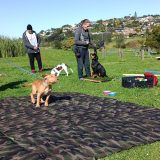
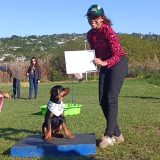
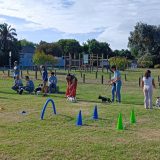
When Should You Join Puppy Training Classes?
The earlier, the better.
Professional puppy classes provide:
- Controlled socialization
- Expert guidance
- Structured learning
- Confidence building
- Real-world distraction training
The best results occur when owners begin training during the critical puppy development window rather than waiting for behavioural problems to appear.
Final Thoughts
Every well-behaved adult dog starts as an untrained puppy.
The habits you build during the first 16 weeks can influence your dog’s behaviour for years to come.
Focus on socialization, consistency, positive reinforcement, and building a strong relationship with your puppy.
At FurBuddies, our experienced puppy trainers help owners navigate this critical stage with proven, reward-based training methods that create confident, happy family dogs.
If you’re ready to give your puppy the best possible start in life, contact FurBuddies today and discover why early training makes all the difference.