
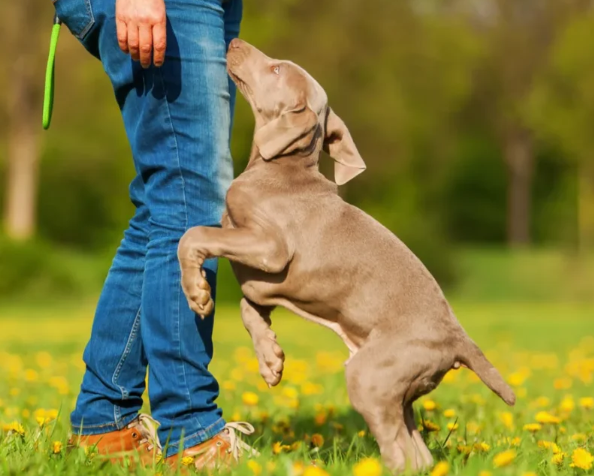
Why Dogs Jump Up – And How to Stop Dog Jumping (The Right Way)
If you’ve ever walked through your front door only to be greeted by muddy paws on your clothes—or had your puppy launch themselves at guests in excitement—you’re not alone.
Jumping up is one of the most common behavioural challenges we see at FurBuddies, and while it may seem harmless (or even cute at first), it can quickly become frustrating, embarrassing, and even dangerous—especially with larger dogs or young children.
The good news? It’s completely fixable with the right approach.
Why Do Dogs Jump Up?
Before we correct the behaviour, it’s important to understand why it happens.
Dogs jump up primarily because:
- They’re excited to see you – jumping gets them closer to your face
- They want attention – and jumping often works!
- They haven’t been taught an alternative behaviour
- They’ve been accidentally rewarded for it (even pushing them away can feel like attention)
In short: if jumping has ever worked for your dog, they’ll keep doing it.
The Biggest Mistake Owners Make
Many owners try to stop jumping by:
- Pushing the dog down
- Saying “no” repeatedly
- Holding their paws
Unfortunately, these responses often reinforce the behaviour. To your dog, any attention—even negative attention—is still attention.
What Should You Do Instead?
The key is simple:
👉 Don’t reward the jump — reward the behaviour you want instead.
1. Ignore the Jumping Completely
When your dog jumps:
- Turn your body away
- Avoid eye contact
- Don’t speak or touch them
The moment all four paws are on the ground… This is what we call the self-soothing state, when your dog or puppy is more likely to be responsive.
2. Reward Calm Behaviour
- Give attention, praise, or a treat
- Keep your energy calm and controlled
Your dog learns:
👉 “Calm gets attention. Jumping gets nothing.”
3. Teach an Alternative Behaviour
Dogs don’t just need correction—they need direction.
Instead of jumping, teach your dog to:
- Sit when greeting people
- Keep all four paws on the ground
- Go to a designated spot or bed
Consistency is key. Every greeting becomes a training opportunity.
4. Manage Excitement Levels
If your dog gets overly excited:
- Ask guests to ignore your dog until calm
- Use a leash during greetings if needed
- Practice calm arrivals and departures
The calmer the environment, the easier it is for your dog to succeed.
Why This Matters
Jumping may seem like a small issue, but it can lead to:
- Scratches and injuries
- Fear in children or visitors
- Escalation into more demanding behaviours
Addressing it early creates a calmer, more balanced dog—and a more enjoyable home environment.
How FurBuddies Can Help
At FurBuddies, we don’t believe in quick fixes—we focus on long-term behavioural change using positive, effective training methods.
We can help you:
- Understand why your dog is jumping
- Build clear, consistent training routines
- Teach calm greeting behaviours
- Work through over-excitement and impulse control
- Guide the whole family so everyone responds correctly
Every dog is different, which is why our approach is tailored to your dog, your home, and your lifestyle.
Final Thoughts
Jumping up isn’t “bad behaviour”—it’s natural behaviour that hasn’t been guided yet.
With patience, consistency, and the right support, your dog can learn a much calmer (and more polite!) way to greet the world.
Need help with a jumping dog?
Get in touch with FurBuddies today and let us help you build better behaviour—one step at a time.
📞 Contact us to book a behavioural session or click the WhatsApp button on the page.