
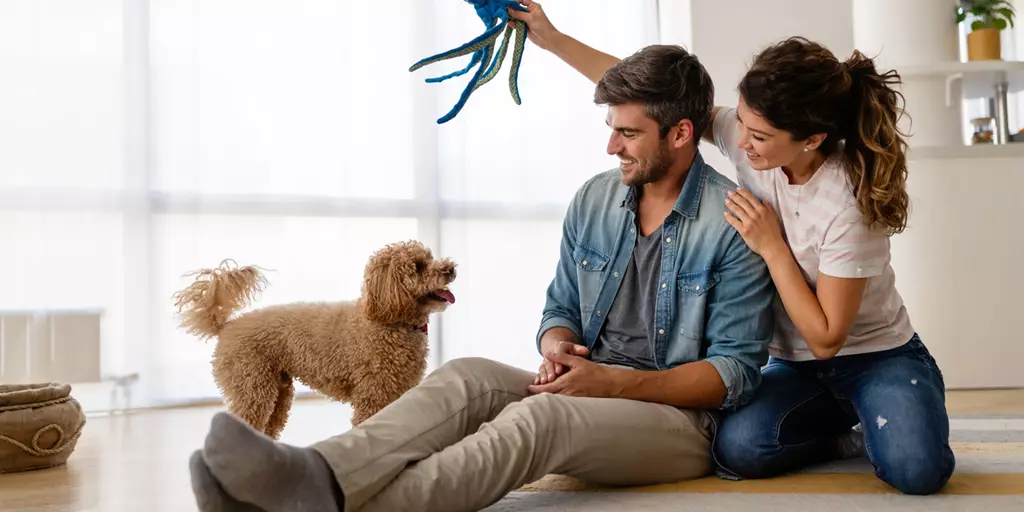
How to integrate a new dog or new puppy into your home successfully.
Bringing a new puppy, adopted dog, or rescue into your home is one of the most rewarding experiences—but it can also feel overwhelming. Many new owners expect instant bonding, perfect behaviour, and a smooth transition. The reality? Every dog needs time to decompress, adjust, and truly feel safe.
That’s where the 3 Day, 3 Week, 3 Month Rule comes in. This simple framework helps you understand what your dog is going through—and how to support them every step of the way.
The fundamentals:
🐾 The First 3 Days: Decompression & Overwhelm
What your dog is feeling:
Your new dog has just experienced a major life change. Whether they came from a breeder, shelter, or previous home, everything is unfamiliar—new smells, new people, new rules.
What to expect:
- Nervousness, fear, or shutdown behaviour
- Hesitation to eat or drink
- Accidents indoors
- Excessive sleeping or restlessness
- Clinginess or withdrawal
Some dogs may seem calm and “perfect” during this stage—but this is often because they are overwhelmed, not settled.
How to help:
- Keep things calm, quiet, and predictable
- Limit visitors and stimulation
- Create a safe space (bed/crate/quiet corner)
- Stick to a consistent routine (feeding, potty breaks)
- Avoid overwhelming training sessions—focus on bonding
👉 Key tip: Don’t expect too much too soon. Your job right now is to help your dog feel safe.
🐾 The First 3 Weeks: Learning the Routine
What your dog is feeling:
Your dog is starting to relax and understand their environment. This is when their true personality begins to emerge.
What to expect:
- Increased confidence (and sometimes testing boundaries!)
- More energy and playfulness
- Behaviour challenges may appear (chewing, barking, pulling, etc.)
- Better appetite and more consistent toileting
This stage often surprises owners—“They were so well-behaved before!” In reality, your dog is just starting to feel comfortable enough to be themselves.
How to help:
- Begin basic training (sit, stay, recall, leash walking)
- Reinforce routines consistently
- Set clear, gentle boundaries
- Use positive reinforcement (treats, praise, play)
- Introduce new experiences gradually (people, environments, dogs)
👉 Key tip: Consistency is everything. What you allow now becomes habit later.
🐾 The First 3 Months: Building Trust & Belonging
What your dog is feeling:
Your dog now understands that this is their home. Trust is forming, and your bond is deepening.
What to expect:
- Stronger attachment to you
- Improved understanding of rules
- Increased confidence in different environments
- Ongoing behavioural refinement (not perfection yet!)
This is where the real transformation happens—especially with rescue dogs.
How to help:
- Continue structured training and socialisation
- Build mental stimulation (puzzle toys, scent work, enrichment)
- Strengthen your bond through play and routine
- Address any behaviour issues early before they become ingrained
👉 Key tip: This is the foundation phase. What you invest now shapes your dog’s lifelong behaviour.
🐶 Common Mistakes to Avoid
- ❌ Expecting instant obedience or bonding
- ❌ Over-socialising too quickly
- ❌ Punishing fear-based behaviour
- ❌ Inconsistent rules within the household
- ❌ Comparing your dog to others
Every dog is different. Progress is not linear.
❤️ Final Thoughts
The 3-3-3 rule isn’t a strict timeline—it’s a guideline. Some dogs may take longer, especially rescues with difficult pasts. Others may adjust more quickly. The key is patience, empathy, and consistency.
Remember:
You’re not just training a dog—you’re building a relationship based on trust.
If you approach these first three months with understanding and structure, you’ll set your dog up for a lifetime of confidence, good behaviour, and companionship.
🐕 Need Help Along the Way?
At Furbuddies, we specialise in helping new dog owners navigate exactly this journey—from puppy basics to rescue integration and behaviour support.
If you’re feeling unsure or overwhelmed, you don’t have to do it alone. Simply complete the form on the Contact Us page, or contact us directly using the WhatsApp button this this page.
Because every great dog starts with the right foundation.